


Topics:
Are You Classifying Your Workers Properly? NFIB’s New Guide to Independent Contractors Can Help!
Are You Classifying Your Workers Properly? NFIB’s New Guide to Independent Contractors Can Help!
May 17, 2024
Are You Classifying Your Workers Properly? NFIB’s New Guide to Independent Contractors Can Help!
- Compliance with regulations and labor laws;
- Your workers understand the extent of their benefits and entitlements;
- Clarity in the employment relationship; and
- And a clear-cut understanding for the worker of their role and responsibilities within the company.
The Department of Labor’s New Independent Contractor Rule
With the Department of Labor’s (DOL) new independent contractor rule going into effect this past March, it is more important than ever that employers assess their worker classifications. The new rule now applies a less-clear “totality-of-the-circumstances” analysis. This “totality-of-the-circumstances” test increases the number of factors that determine a worker’s classification and makes it harder to classify a worker as an independent contractor. You can find a detailed breakdown of these factors in NFIB’s blog post on DOL’s new independent contractor rule hereNFIB’s Guide to Independent Contractors
NFIB’s newest Guide to Independent Contractors can help you assess and determine the classification of your workers. The guide goes over defining the categories of workers, how to avoid misclassification, the consequences of misclassification, and much more. In addition to the legal obligations of classifying your workers, businesses also need to consider the unique administrative differences associated with each classification. NFIB’s guide discusses the distinct administrative differences between employees and independent contractors, such as:- Training responsibilities;
- Liability;
- Pay;
- Tasks;
- Benefits; and more.
The Different Tests: What Are They and Who Uses Them?
NFIB’s Guide to Independent Contractors contains an extensive overview of the three different tests used to determine employee classification. These tests are:- Common Law Test: Used by the IRS and some state agencies. This test looks at 20 different factors to determine whether a worker is an employee or independent contractor. The crux of this test is how much control the business has over the worker.
- The Totality-of-the-Circumstances Test: Used by the Department of Labor. This test looks at a non-exhaustive list of considerations to determine whether the worker is economically dependent on the employer for work.
- The ABC Test: Used by two-thirds of the states. This test is the clearest of all three tests, requiring a worker to satisfy just three factors to be an independent contractor.
The Risks of Misclassification
Even if unintentional, misclassifying a worker comes with significant consequences, including fines and penalties.- Legal Consequences
- Misclassification can lead to lawsuits and legal penalties imposed by the DOL for violating labor laws pertaining to minimum wage, overtime, and others.
- Back Pay and Benefits
- Misclassified workers may be entitled to back pay for unpaid wages, overtime, and benefits that they otherwise would have been entitled to if they were properly classified.
- Tax Penalties
- Operational Disruption

Get to know NFIB
NFIB is a member-driven organization advocating on behalf of small and independent businesses nationwide.
Related Articles

Related
July 21, 2026
NFIB Supports Committee Passage of the Heat Workforce Standards Act
H.R. 6213 would protect small businesses from a federal heat standard
Read More


Related
July 21, 2026
Small Businesses Support Legislation to Increase HSA Flexibility
WASHINGTON, D.C. (July 21, 2026) – The National Federation of Independent Business (NFIB), the nation’s leading small business advocacy organization, sent a le…
Read More
Related
July 20, 2026
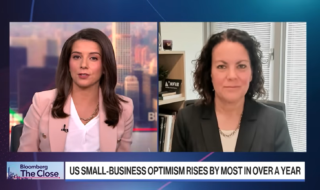
VIDEO: NFIB’s Holly Wade Joins Bloomberg to Discuss Rise in Small Business Optimism
NFIB Research Center Executive Director Holly Wade joined Bloomberg: The Close last week to analyze June’s Small Business Optimism Index.
Read More

Related
July 17, 2026
Officials to Offer Free Webinars on Using Kentucky’s New Unemployment Insurance Portal
Sessions for employers and third-party administrators will be offered throughout the month of August.
Read More