


Topics:
March 2, 2026
Vermonters can see the potential economic disruption of the Vermont Global Warming Solution Act (VT GWSA)
Last Fall, New York gave Vermonters a glimpse at the potential financial impacts and economic disruption that could come from the Vermont Global Warming Solution Act (VT GWSA).
In October 2025, a state court judge ordered the administration of Governor Kathy Hochul to comply with New York’s equivalent of the GWSA.
This order came despite protests from the New York Attorney General that complying would “would require imposing extraordinary and damaging costs upon New Yorkers.” (emphasis added)
More NY sticker shock. Last month, the Hochul Administration signaled its intent to revisit New York’s sweeping climate law, which has emissions reductions mandates and timelines similar to the VT GWSA. The primary vehicle to achieve emissions reductions would be a complex cap and trade system.
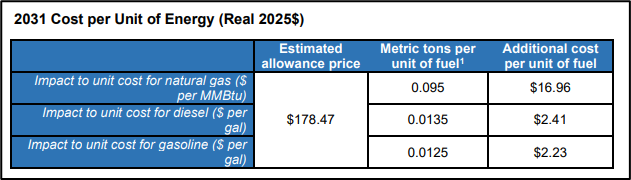
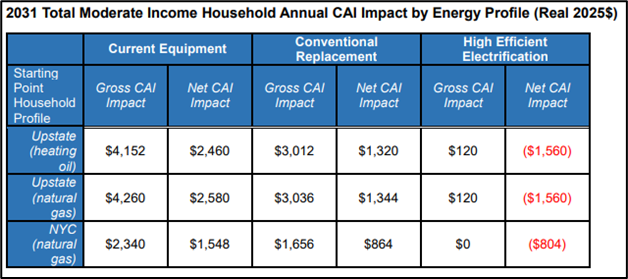
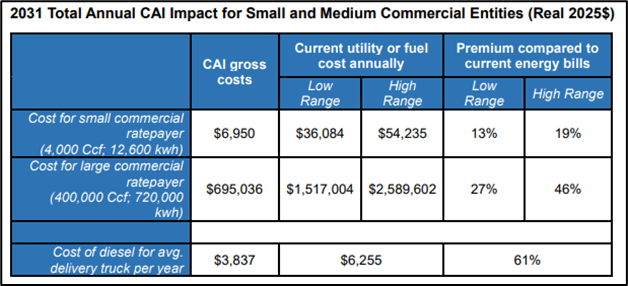
Specifically, officials pointed to a new state report highlighting the extreme costs to consumers if the climate law is fully implemented without changes. The report estimates that, by 2031, New Yorkers would face:
– $4,100+ gross annual increase for upstate households using oil or natural gas heat
– $7,000 gross annual increase for small and medium commercial businesses
– $2.23 more per gallon for gasoline
– $2.41 more per gallon for diesel
Even after factoring in potential subsidies and fuel cost reductions from converting household heating equipment and other appliances to electric, the average upstate household faces a $2,450+ annual increase in energy costs.
Vermont could soon face similar problems. While Vermont lawmakers have largely failed to implement the VT GWSA, Vermonters could still face significant cost increases thanks to the law’s “Right to Sue” provision.
The “Right to Sue’ means lawsuits can be filed by anyone – from individual Vermonters to out-of-state special interest groups – to force the state to adopt expensive plans that attempt to satisfy the GWSA’s emission reductions mandates.
The first such lawsuit was filed last year by the Boston-based Conservation Law Fund and was dismissed in July. The state successfully argued that it did not have the data necessary to determine that additional programs or policies were needed beyond the state’s current action to meet the 2025 GHG reduction requirement.
However, defending against these lawsuits will become harder in the future. The state has already acknowledged it’s unlikely to meet the 2025 goal. As New York shows, it’s likely impossible to meet the near-term goal and it will be economically devastating to meet the 2050 goal (if it’s even feasible).
Vermont’s air quality is very good. It’s important to remember GHG emissions are a global problem, not one that can be solved locally. In 2022, Vermont accounted for just 0.016% of global GHG emissions.
Nearly all of Vermont’s electricity generation comes from renewable sources, and the bulk of its imports are hydroelectric from Quebec.
Vermont’s per capita GHG emissions are one third less than the national average and the Vermont Department of Health (VDH) reports that the state’s air quality is “very good.”
Bottom Line: Vermont lawmakers should heed the flashing warning signs coming across Lake Champlain, over the Poultney River and from down the Batten Kill.
Proposals to eliminate the Right to Sue and convert the VT GWSA’s mandates to goals are collecting dust in committee rooms at the State House. They should be advanced to protect Vermonters from exorbitant cost increases imposed via legislation, rulemaking or judicial fiat.
Passing these bills would give lawmakers time to weigh the near- and long-term economic impact of their mandates and consider how regional and global energy trends will exacerbate the energy affordability problem.
State:
Get to know NFIB
NFIB is a member-driven organization advocating on behalf of small and independent businesses nationwide.
Related Articles
Related
June 24, 2026
Vermont School Governance Reform and Property Tax Relief
Next steps in school governance reform will impact future property tax bills.
Read More


Related
June 16, 2026
New Jersey Energy Costs Still on the Rise
TAKE ACTION: Tell Trenton to focus on cost reduction!
Read More
Related
June 15, 2026
Rhode Island Capitol Update
Rhode Island 2026 legislative session wraps.
Read More

Related
June 4, 2026
2026 Vermont Legislative Recap Part III: Small Business Regulations
Small businesses will need to watch out for some new regulations.
Read More