


Topics:
January 18, 2023
Indiana Small Business: We Need YOUR Feedback For Tax Relief
NFIB Member, Representative Peggy Mayfield, R-Martinsville, filed legislation that would make changes to the business personal property tax (BPP) that would offer a bit of a windfall to small-business owners.
Unfortunately, it’s unclear whether Mayfield’s initiative will become part of the GOP’s overall agenda due to the lack of feedback from the business community.
The bill would raise the exemption that determines which companies must pay the business personal property tax. Mayfield’s bill would exempt all companies that own machinery, equipment and other tangible goods that cost them, in total, less than $250,000. The current threshold is $80,000.
Raising the threshold to $250,000 would exempt about 80% of small businesses from paying the tax and would eliminate the administrative accounting headaches for 48,000 businesses, according to past legislative estimates.
“It would be one less thing that a small businessman has to worry about,” Mayfield said.
In many cases, it costs small businesses more time and effort to determine the tax that is owed than filing the return. There are tens of thousands of small businesses that have very little machinery and equipment, and they still must pay a CPA which can cost more than the small amount of tax collected. And yet others must go through the exercise to pay an accountant to find out they don’t even owe any money. Either way, small businesses lose on the deal.
House Speaker Todd Huston supports the concept but its chances of passing in the Senate aren’t as strong.
Senator Travis Holdman, a Republican from northeastern Indiana who chairs the Senate Tax & Fiscal Policy Committee, has declined to say whether he would support Mayfield’s bill.
Senator Ryan Mishler, R-Mishawaka, who chairs the Senate Appropriations Committee, said he would be open to changes if there were greater demand from the business community.
Proposals to increase exemption thresholds reflect an effort to reduce unnecessary procedural strain, especially for businesses already navigating fluctuating costs, staffing concerns, and long-term growth decisions. Legislative hesitation, however, suggests that many of these reforms still depend on stronger engagement from the business community before broader changes can move forward.
Financial complexity rarely disappears simply because a requirement is reduced, which is why many companies continue seeking guidance that extends beyond isolated filing periods.
Firms such as Fusion CPA often assist businesses in creating clearer financial structures that support operational stability while helping owners interpret changing tax obligations with greater confidence.
Careful review of cash movement, reporting accuracy, and entity organization can reveal inefficiencies that quietly affect profitability over time, particularly when internal processes have expanded faster than the systems supporting them.
Consistent oversight in these areas allows businesses to respond more effectively to policy shifts while maintaining focus on day-to-day operations and long-term sustainability.
Are you up for the challenge?
If so, please complete a brief survey on the impact BPP has on your business and NFIB will ensure your responses are heard at the Statehouse. We need your voice to eliminate this tax.
State:
Get to know NFIB
NFIB is a member-driven organization advocating on behalf of small and independent businesses nationwide.
Related Articles
Related
July 24, 2026
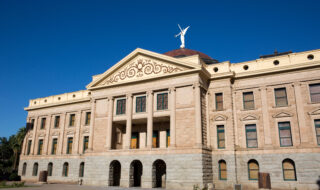
WATCH: What Happened for Small Businesses During the 2026 Arizona Legislative Session?
Learn what happened in Phoenix during the 2026 legislative session and how it affects your small business.
Read More

Related
July 23, 2026
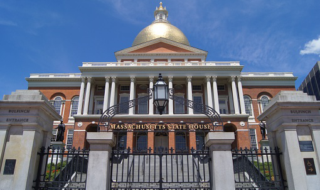
An Economic Development Bill Should Help Massachusetts Small Businesses, Not Hurt Them
How does adding new hurdles to a law that refunds taxpayers more of their hard-earned money make Massachusetts more affordable or competitive?
Read More

Related
July 15, 2026
State Policies Impacting Small Businesses
States considered small business measures during the 2026 legislative sessions, including taxes, minimum wage, extreme heat standards, IRC conformity, and tort…
Read More

Related
July 14, 2026
NFIB Joins Lawsuit Filed Today in the Oregon Tax Court
“The Legislature cannot circumvent a constitutional requirement”
Read More