


Topics:
August 18, 2023
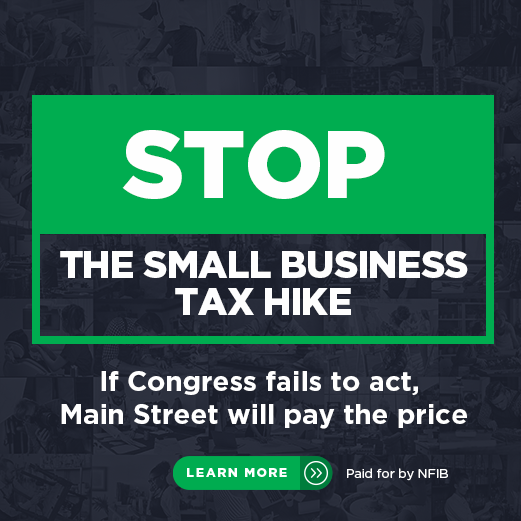
Main Street Badly Needs the Small Business Deduction to Survive
- “Before the pandemic, we benefitted from two years of unprecedented economic opportunity and optimism, and the credit goes to the 2017 creation of the Small Business Deduction (Section 199A), which allows small businesses organized as pass-through entities (sole proprietorships, S-corporations, partnerships, or LLCs) to deduct up to 20% of their qualified business income on their 1040 IRS form.
- “Tens of thousands of Montana small businesses have benefitted from this common-sense policy. There’s a good chance you know someone who got a bonus because of the Small Business Deduction, or someone who got hired because a small business was able to expand. And while the pandemic and government shutdowns stifled a lot of this progress, the Small Business Deduction helped a lot of Main Street job-creators survive the past three years.
- “Now, the Small Business Deduction is about to expire, putting tremendous pressure on Main Street. That’s bad enough on its own, but it’s made even worse by the fact that Wall Street’s tax cuts are still permanent. Only in Washington does it make sense to put big business ahead of small business.”
State:
Get to know NFIB
NFIB is a member-driven organization advocating on behalf of small and independent businesses nationwide.
Related Articles

July 8, 2025
Montana Comment on Latest Small Business Optimism Index
Congressional delegation thanked for their help
Read More


July 7, 2025
New Op-Ed Highlights Challenge of Political Stalemate for PA Sm…
NFIB’s Greg Moreland wrote about why small businesses need tax reform act…
Read More

July 4, 2025
America’s Small Businesses Applaud President Trump, Congress…
“President Trump and Congress have the gratitude of 33 million American s…
Read More

July 3, 2025
NFIB Thanks Congress for Passing Landmark Small Business Tax Re…
NFIB applauds Congress for passing the One Big Beautiful Bill Act, which in…
Read More