


Topics:
December 31, 2024
Virginia News
NFIB is ready to advocate on behalf of our small business members
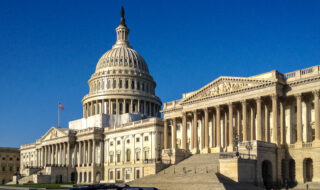
The General Assembly will gavel into session on Jan. 8, and we’ll be there to ensure that the voices of Virginia’s small businesses are heard.
This legislative session, our priorities include:
- Tax Relief: Advocating for policies that ease financial burdens on small businesses and encourage reinvestment in local communities.
- Workforce Development: Supporting programs to train and retain skilled workers, addressing the labor shortages many businesses face.
- Regulatory Reform: Promoting commonsense regulations that balance oversight with the flexibility small businesses need to thrive.
We’re ready to work closely with legislative leaders and Governor Youngkin to pass measures that help our members grow and create jobs.
Let us know what issues matter most to you! Visit www.NFIB.com/VoteMyBallot to complete this year’s member ballot, or contact NFIB State Director Julia Hammond directly at julia.hammond@NFIB.org. And plan to attend this year’s Small Business Day at the Capitol, coming up on Jan. 21.
By working together, we can ensure that Virginia remains a great place to start and grow a small business.
Get to know NFIB
NFIB is a member-driven organization advocating on behalf of small and independent businesses nationwide.
Related Articles

Related
June 9, 2026
NEW NFIB SURVEY: Small Businesses Report Reduced Optimism
WASHINGTON, D.C. (June 9, 2026) – The NFIB Small Business Optimism Index fell 0.6 points in May to 95.3, remaining below its 52-year average of 98.0. The Uncer…
Read More

Related
June 8, 2026
NFIB Key Votes Overreaching Labor Contracts Bill
WASHINGTON, D.C. (June 8, 2026) – The National Federation of Independent Business (NFIB), the nation’s leading small business advocacy organization, announced …
Read More
Related
June 8, 2026
In Their Own Words: If State Question 832 Passes, “It Would Not Be Good All the Way Around.”
Ada Small Business Owner Amy Boatwright urges Oklahomans to vote no on State Question 832.
Read More

Related
June 8, 2026
Legislation Giving Unemployment Benefits to Illinois Striking Workers Halted
NFIB testified against the proposal in the Illinois House Labor & Commerce Committee
Read More